
Diagnosing Parkinson’s Disease
Diagnosing Parkinson’s disease isn’t easy. Symptoms can be different for each person, and can even change from day to day. For this reason, it can take time to get the right diagnosis. For some people, it can take years to get a correct diagnosis.
Learning that you have Parkinson’s disease can feel overwhelming. Many people feel fear of what’s to come. For others, they may have a sense of relief because they finally know what is causing their symptoms.
For everyone, learning about Parkinson’s disease can help reduce fear and uncertainty.

How Doctor's Diagnosis Parkinson's
There is no single test that definitely confirms Parkinson’s disease. Doctor’s will look at several things to make a diagnosis:
- Your medical history
- Your symptoms
- A neurological exam
While you may first see your primary care doctor about your symptoms, you should ask about being referred to a neurologist. There are also specialized neurologists that have extra training called Movement Disorder Specialists.
There are a few tests that doctor’s can run to help in their diagnosis, but they cannot confirm Parkinson’s disease on their own. These tests include:
- DaTscan – an imaging test that looks at the amount of dopamine being transported in a certain part of the brain.
- Skin Biopsy – a test that detects misfolded alpha-synuclein protein, which is found in people with Parkinson’s
- MRI – an imaging test used to rule out other conditions that may have similar symptoms to Parkinson’s disease
Doctors may also have you try Parkinson’s medications to see if symptoms improve

Parkinson's Symptoms
In order to diagnose Parkinson’s disease, doctor’s look for at least two of the main movement disorder symptoms.
- Tremor (shaking), often at rest
- Slowness of movement, called bradykinesia
- Rigidity or muscle stiffness
- Postural instability or balance problems
Everyone diagnosed with Parkinson’s disease will have bradykinesia. However, the other symptoms vary from person to person. And despite tremors being the most widely known symptom of Parkinson’s disease, not everyone will experience tremors.
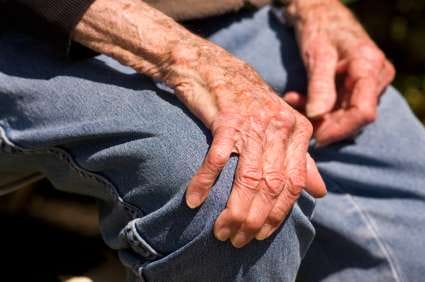
Early in the progression, movement symptoms are often on only one side of the body.
In addition to movement symptoms, Parkinson’s also causes non-movement symptoms. These symptoms may show up early, even before the movement symptoms. There are dozens of non-movement symptoms. Some of these symptoms include:
- Problems with sleep, including REM Sleep Disorder
- Mood conditions including depression, anxiety, and apathy (loss of interest)
- Constipation
- Low blood pressure when standing, called orthostatic hypotension
- Changes in facial expressions
- Hallucinations or delusions
- Fatigue
- Dementia
Many people say that their non-movement symptoms cause more problems than their motor symptoms. While these are all symptoms of Parkinson’s disease, they can also be symptoms of other medical conditions. So doctors will look at the full picture.
Young Onset Parkinson's Disease
While Parkinson’s disease is primarily diagnosed later in life, a small percentage of younger people can be affected. Young-onset Parkinson’s disease is diagnosed when a person receiving the diagnosis is under the age of 50.
You are Not Alone
You may feel alone when you receive a Parkinson’s diagnosis. The Parkinson Association of the Carolinas (PAC) is here to provide you with support, education, and resources to help you every step of the way. Contact PAC so you have what you need to manage your Parkinson’s and live the best you can today. We are here for you.